CCS Gone Wrong. A Congressional Briefing
Find out why leaks at CO2 monitoring wells and injection wells are raising concerns about the ability to permanently store CO2 underground.

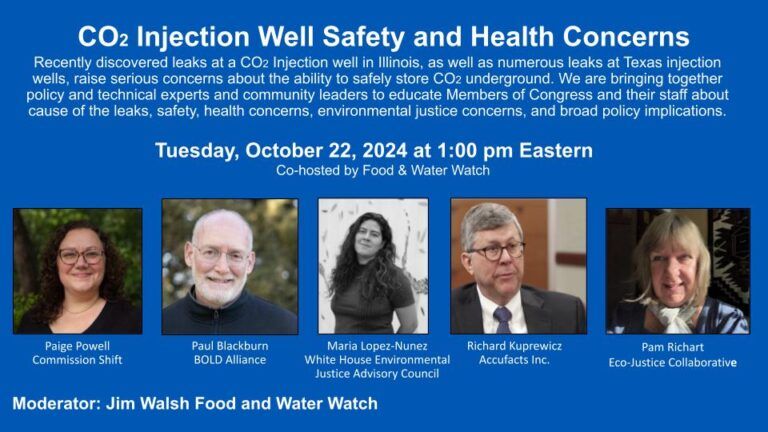
Find out why leaks at CO2 monitoring wells and injection wells are raising concerns about the ability to permanently store CO2 underground.

Invite your U.S. Rep. and Senator to a 10-22 briefing to learn how CCS can affect public and safety and discuss policy considerations.
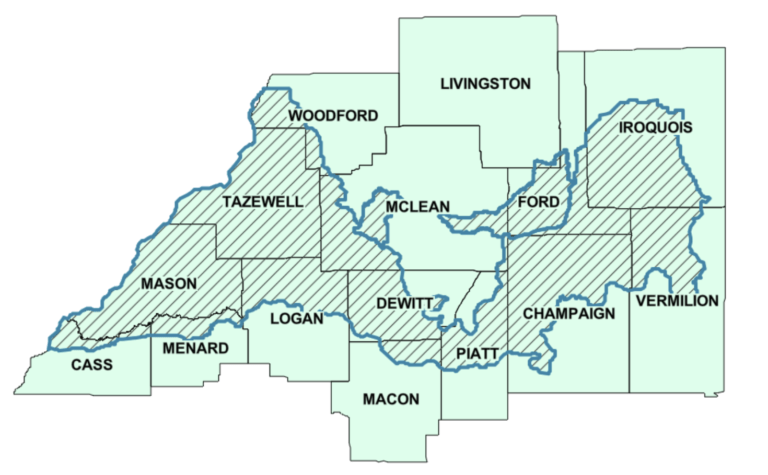
ADM’s announcement of its second monitoring well leak shows why storing CO2 under the Mahomet Aquifer is unacceptable and dangerous.
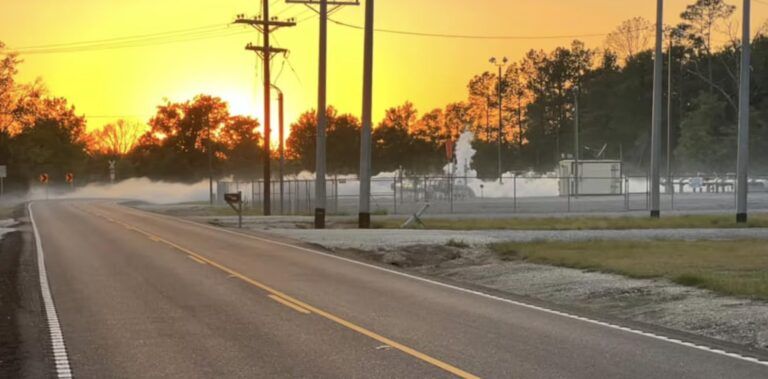
ADM issued a notice of violation for a CO2 leak from the U.S. EPA.
Most Illinois voters oppose use of eminent domain by private companies for CO2 projects and do not support storing CO2 under Mahomet Aquifer.
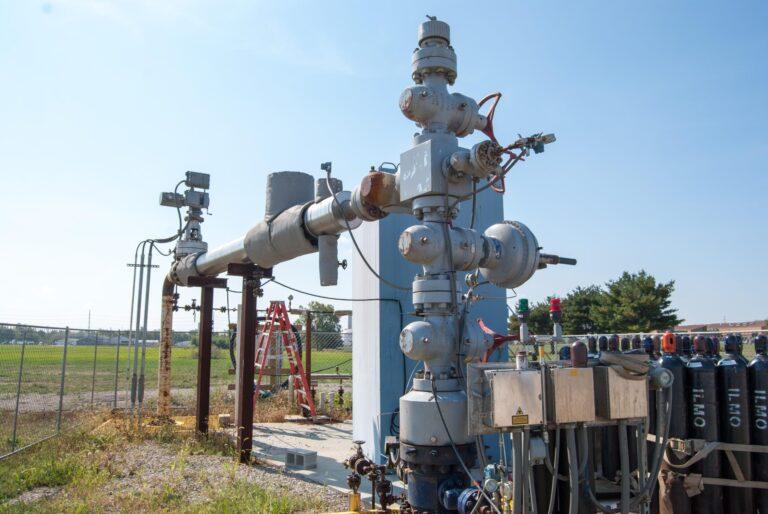
A leak at ADM’s carbon capture and sequestration facility underscores need to ban CO2 injection through and storage under the Mahomet Aquifer.

On Tuesday, September 10, Senator Paul Faraci and Representative Carol Ammons announced their intent to file legislation to protect the Mahomet Aquifer from carbon sequestration.
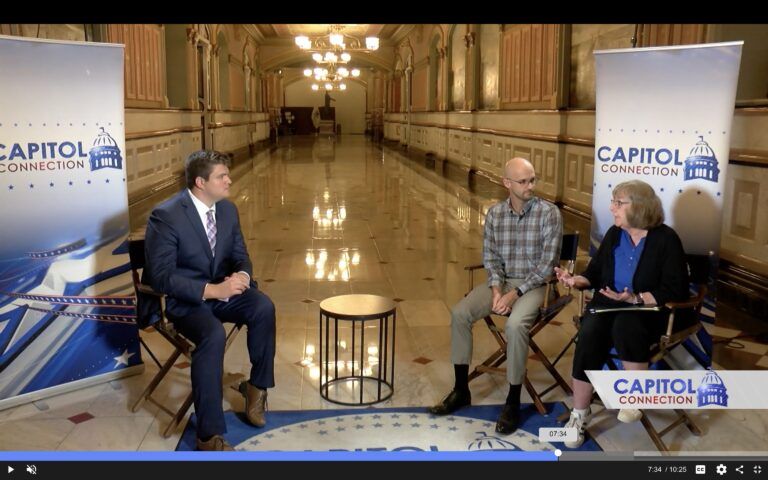
Sign our petition! Tell your legislators to support a Mahomet Aquifer ban. No corporation should be allowed to risk our water supply.
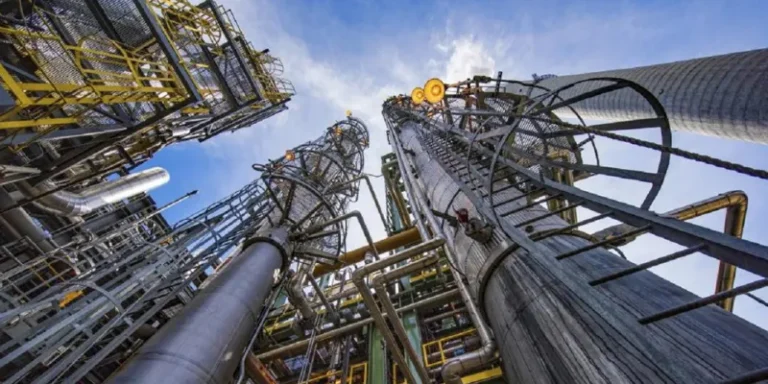
The SAFE CCS Act includes some strong protections, but lacks pipeline setbacks and a ban on CCS over the Mahomet Aquifer and recharge areas.
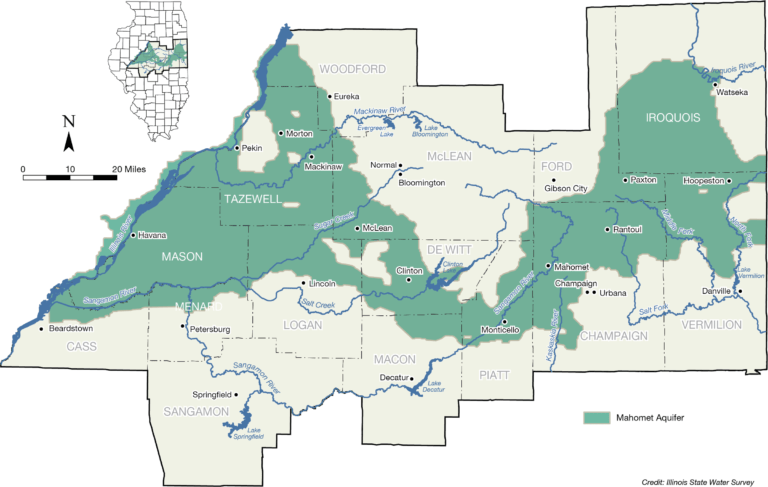
Help protect the Mahomet Aquifer! We need a legislative ban to ensure this source of fresh drinking water is not contaminated by CO2.

After weeks of negotiations, the IL House and Senate passed the Safety and Aid for the Environment in Carbon Capture and Sequestration Act. But more protections are needed.
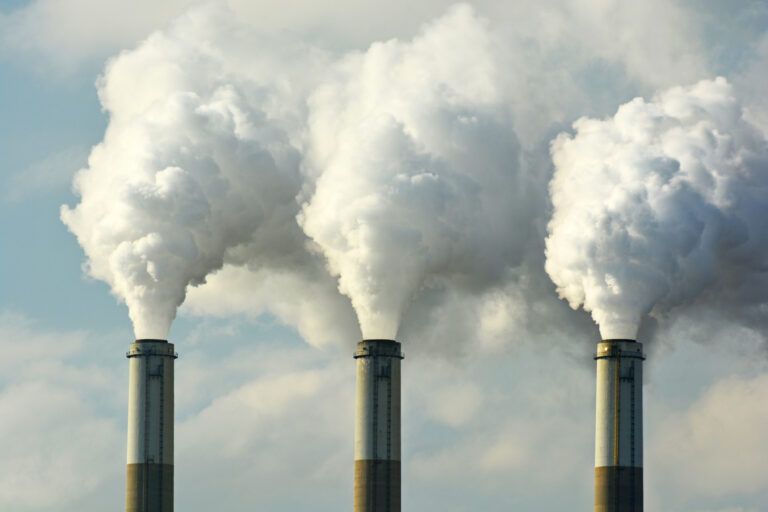
CCS incentivizes emissions, costs more than renewables, and can’t help us meet our climate targets.
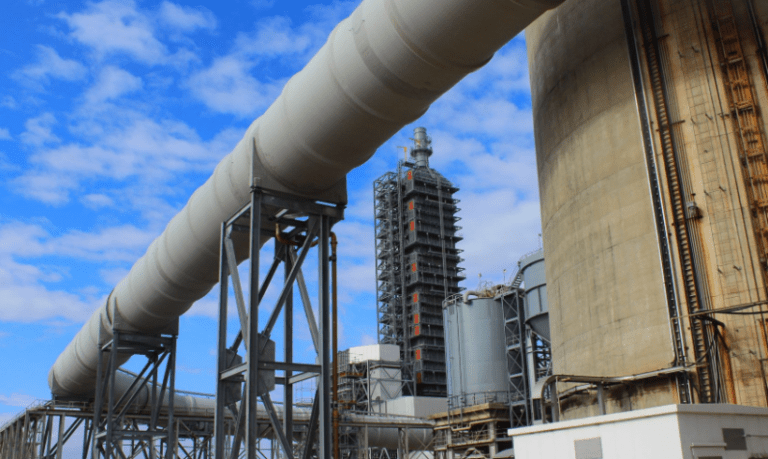
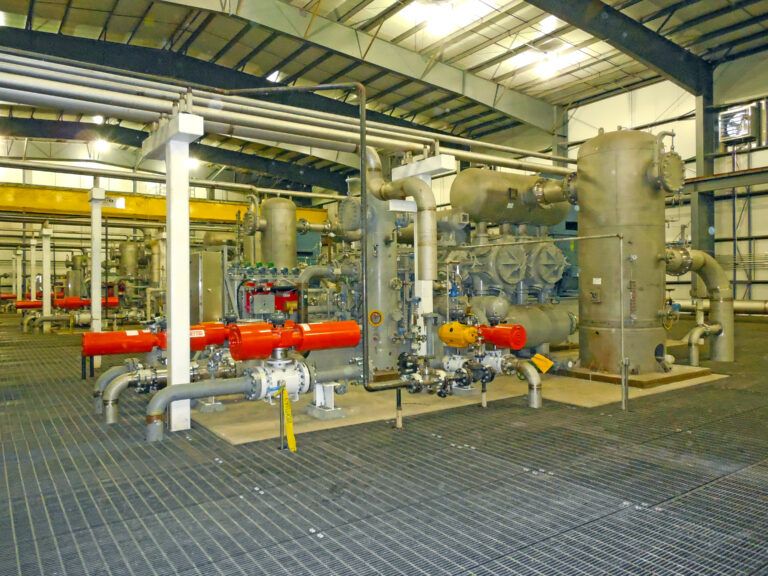
CCS captures CO2 from a power plant, compresses it into a liquid, transports it via pipeline, and then injects it deep underground for storage.
Navigator withdrew its application to build a 1300 mile-long, dangerous CO2 pipeline after failing to secure the easements required for a sequestration site.